japanese is a bitch.
In this essay i will...-
⠀
hiragana & katakana cheat sheet

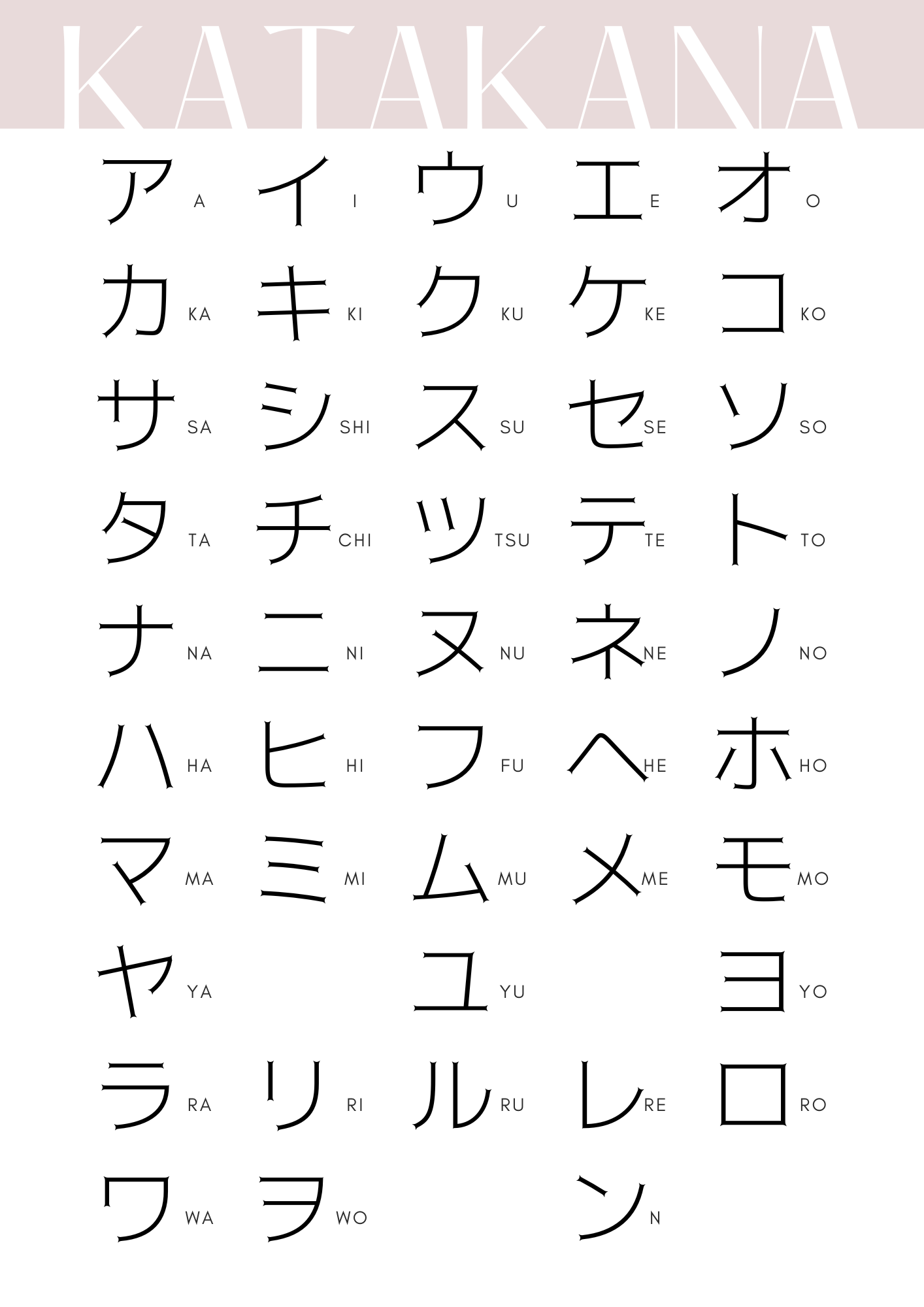 i stopped needing these a while ago, but it's always good to have no matter what level you are. who knows when you'll have a brainfart moment after all.
⠀
sauces.
alrighty past the cheat sheets because we love cheating in this household, you have websites!
- https://365nihongo.com/kana/
- https://www.tofugu.com/japanese/learn-hiragana/
i learned most of the basics here, i personally didn't exactly like mnemonics at first, but then it became fun, and sometimes you just need some joy and whimsy to learn better.
⠀
more cheating, but phrases.
here's some phrases to remember and play around with after you've learned the main kana, because you sure as hell ain't gonna jump to kanji before you learn how japanese works... are you?
⠀
more cheating, but blurbs. (those are for me)
- any word that ends with "i" (like amai, fukai, kowai) you might wanna shorten it in standalone comments, just so you're not too stiff. as a side note, it mostly applies when you finish a comment with one of these, but if you're saying something like "amai na" or "amai desu", you're not shortening them. usage of keigo encourages the i.
side side note: for the love of god don't leave out the i in wlrds that have "ii", like kawaii. as in saying "kawa", i feel like saying "kawai" is still fine if you're saying it fast, but god it's case by case so just stick to keigo if unsure. - it's not actually watashi "wa", it's "ha", put it into your mind before you get accused of being a weeb or a larper, don't feed into bad habits.
- search every single word, put it through a translator to learn how it's written or whatever, but let your brain store it by showing interest on words you don't know yet, even if they don't seem important.
- watch japanese media, yeah, i'm talking about anime and jpop or whatever, but instead of doing it like normal, go for it and try to recognize words that are being spoken and instead of relying solely on subtitles, note down words and phrases that pique your interest and search what they actually mean or compare it with the subtitles!
- "souka" isn't actually "i see", it ends in "ka", it's a question. it's asking "is that so?" rhetorically or not, which is why it's often followed by a nod or a hum.
- anime characters are bound to sometimes say some weird outdated or exaggerated shit, but it's not actually bad to learn it if you actually bother to also learn the "normal" way of saying it. just like speaking in shakespearean or in a dramatic way for fun, in the end you're still learning something new.
- for music, don't just learn the romaji, try to follow alogn with the original japanese text and learn certain pronunciations, there's sometimes alternative pronunciations to already-known kanji, so go for it!
- de/で is used for when you're at places or using objects (?)
- wa/は is vague, exclusive and prioritizes the rest of the sentence, ga/が prioritizes the subject and puts importance into it.